

The first Filipino film, Dalagang Bukid by Jose Nepomuceno, was publicly screened in 1919, making the Philippine film industry a little over a hundred years old. The landscape has evolved since then, and today, Filipino cinema has a long history of great directors and films that show the issues the people face during their time.
One of the Filipino filmmakers making waves in the industry is iACADEMY’s very own Keith Sicat, Chairperson of the school’s Film and Visual Effects Program and current President of the Directors’ Guild of the Philippines, Inc. As an award-winning filmmaker, Direk Keith’s body of work include films such as Rigodon (2005), Himala Ngayon (2012), Woman of the Ruins (2013), Alimuom (2018), and his most recent work that he produced, co-wrote, and edited, Cinemartyrs (2026). Beyond filmmaking, Direk Keith has also has works in the mediums of literature, komiks, animation, and game development.
We sat down with him for an interview to discuss his journey as a filmmaker as well as his insights on the Filipino film industry.
When asked what drew him to filmmaking, Direk Keith expressed a fascination with filmmaking’s “conglomeration of all the various arts.” In other words, film combines different art forms and techniques, like music, acting, and cinematography, to create something new and unique. Films, whether they be experimental, narrative, or documentary, are all important to Direk Keith because they are all “equally challenging” and “equally powerful.”
Inspired by the greats who came before him, Direk Keith shared the Filipino filmmakers who have inspired him who are also National Artists: Lino Brocka, for the social realist concerns that inform his films; Ishmael Bernal, whose films Direk Keith said he constantly learns from; and Marilou Diaz-Abaya, a female filmmaker who, at the time, challenged conventional production norms and embraced the realities that come with being a filmmaker as well as a mother to her kids. He also talked about more contemporary and alternative filmmakers, ending with, “If you don’t know them, you should.”
To Direk Keith, Filipino films are highly respected internationally. Celebrated directors like Alfonso Cuarón, Sean Baker, and Bong Joon Ho—all with renowned feature films—are knowledgeable of and are even fans of Filipino films. Today, movies like Lav Diaz’s Magellan (2025) and Rafael Manuel’s more recent Filipiñana (2026) are gaining recognition on the global stage. “We are definitely on the map,” declared Direk Keith, urging broader Filipino audiences to celebrate the brilliance of Filipino artistry.
What makes Filipino stories so universal, according to Direk Keith, is that they are deeply rooted in our culture and history. Having once been colonized, we have long told stories of “underdogs” who struggle against the odds—something he said resonates with people wherever they are in the world.
From people’s everyday lives and struggles, to the concerns of societies, there are so many stories that can be told through film.
iACADEMY, as a leading institution in design and the arts, responds to this need to train the next generation of filmmakers. As the chairperson of the school’s Film and Visual Effects program, Direk Keith’s mission is to equip students with the necessary tools and skills to produce films. The program also aims to sharpen the minds of aspiring filmmakers by stressing the importance of collaboration and exposing them to industry practitioners who can pass on the knowledge relevant to today’s filmmaking landscape.
For years, iACADEMY has nurtured a new generation of filmmakers whose stories have transcended borders, earning awards and recognition both locally and on the international stage. With a rapidly evolving industry such as Filipino cinema, iACADEMY remains committed to empowering and equipping Game Changers with the skills, vision, and artistry to address the changing demands—and shape the future of filmmaking.
More Stories
View All
The NEXT School: Upskill For What’s Next
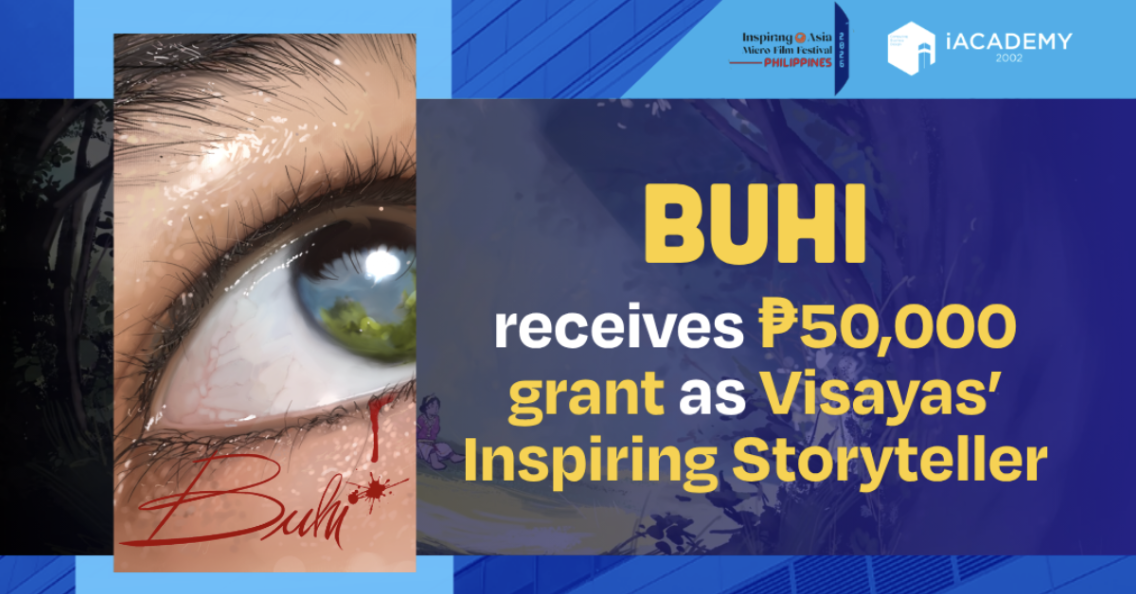
iACADEMY Animation Student Receives ₱50,000 Grant as Visayas’ Inspiring Storyteller at Inspiring Philippines 2026
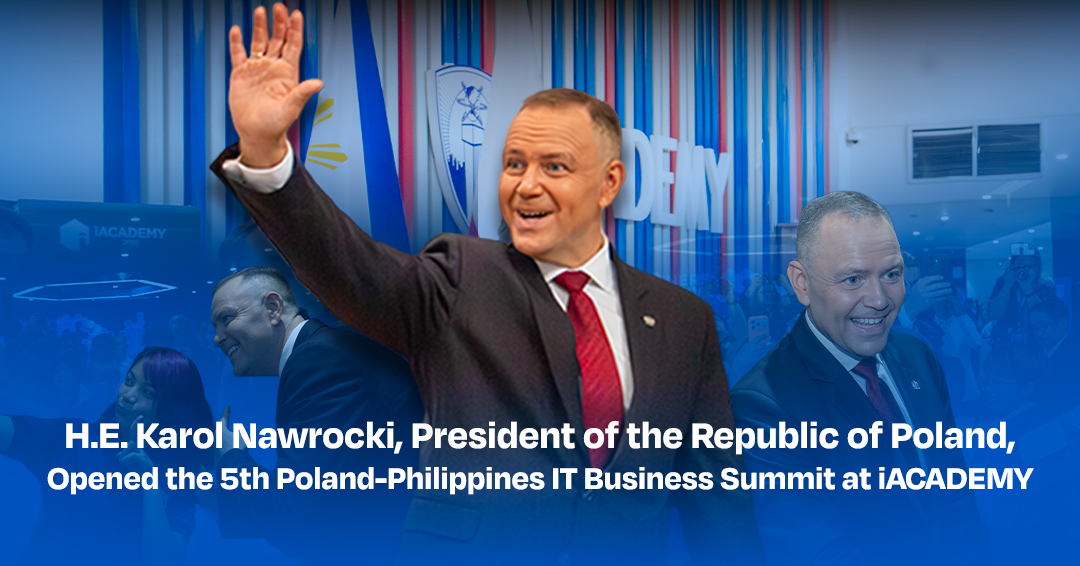
H.E. Karol Nawrocki, President of the Republic of Poland, Opened the 5th Poland-Philippines IT Business Summit at iACADEMY
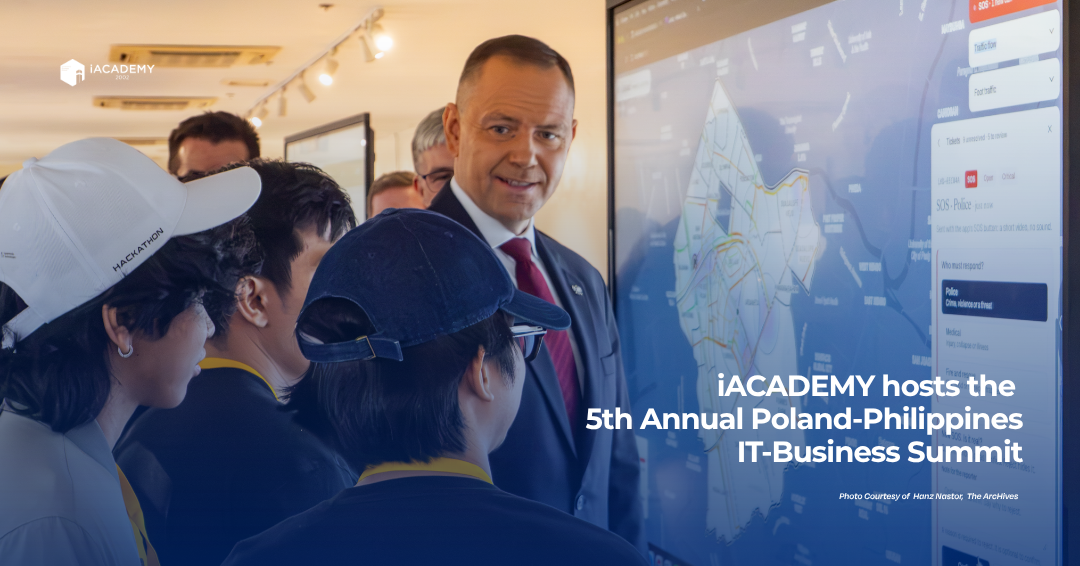
iACADEMY hosts the 5th Annual Poland-Philippines IT Business Summit