
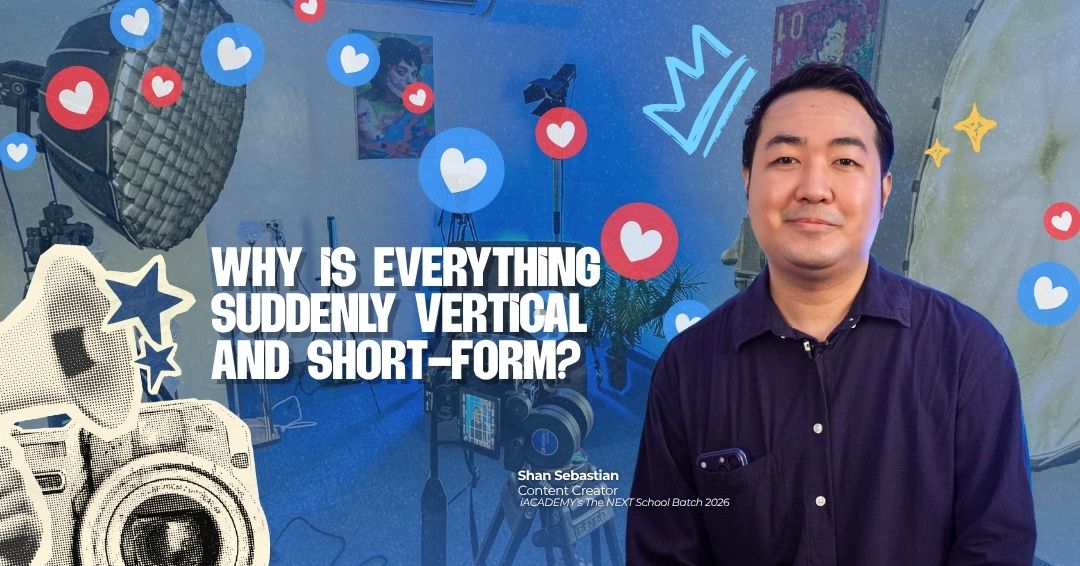
TikTok, Youtube, Instagram, and Meta—all of these platforms have undeniably become a huge part of our lives, with short-form, vertical videos dominating the content we consume. From advertisements to microdramas—short episodes filmed vertically and lasting only a few minutes—this format has taken over our screens. These videos have now saturated the digital landscape, significantly shaping even the creative and marketing fields for years to come.
Shan Sebastian, a completer of iACADEMY The NEXT School’s Mastering Content Creation and Social Media Production, discusses in detail this preference for vertical and short-form content over its horizontal, often long-form counterpart: “Right now, mapapansin n’yo na siguro sa feeds n’yo, sa FYP n’yo na the verticals are actually the norm. … With the rise of social media, the attention span before, the YouTube long-form vlogs, now 20 minutes, one hour, even yung iba umabot pa ng three hours. But right now it’s just really 30 seconds, 60 seconds, 90 seconds, and it's easier to swipe.”
Beyond social media platforms, the verticals have also started to dominate online marketplaces through live selling. Vertical contents, according to Shan, see higher engagement and retention as opposed to their horizontal counterparts.
Shan attributes this shift to a change in culture, explaining that the technology evolves in tandem with consumer mindset and behavior. Studies have also shown that convenience plays a key role in this trend, with research finding that mobile users exert minimal effort when watching videos vertically. Vertical videos ultimately eliminate the extra step of rotating phones to view content in full. With most people’s eyes glued to their phones, alongside shrinking attention spans, it has become necessary for content to adapt to these behaviors and optimize consumer experience.
There is a much larger conversation to be had about vertical and short-form videos significantly contributing to “doomscrolling”—the act of scrolling and swiping on your phone for hours on end—and the fairly recent buzzword “brainrot,” or what people call a perceived mental decline due to digital overconsumption. Marketing and digital content creation strategy have all evolved in response to consumer behavior, with speed and convenience now taking center stage.
This trend ultimately raises both opportunities and challenges. It has introduced content creators to a format that would definitely reach wider audiences and ensure that they have piqued consumers’ interest, thus translating to higher views and engagements. But it also raises an important question: as digital platforms become increasingly designed to capture our attention, who takes responsibility for the content that keeps us scrolling?
Digital media education has become more and more relevant. Aside from The NEXT School’s short courses, iACADEMY also has a Bachelor of Science in Digital Media Management program that prepares students to navigate the evolving digital landscape. Alongside fostering creativity, developing skills, and strengthening analytical and management skills, the program also emphasizes the ethical considerations that come with social media and content creation, thus nurturing more responsible digital citizens.
Ultimately, the challenge of today’s digital landscape is striking a balance between keeping up with the trends and responsibly creating and managing digital content. Students at iACADEMY have the opportunity to give space for meaningful information and storytelling.
More Stories
View All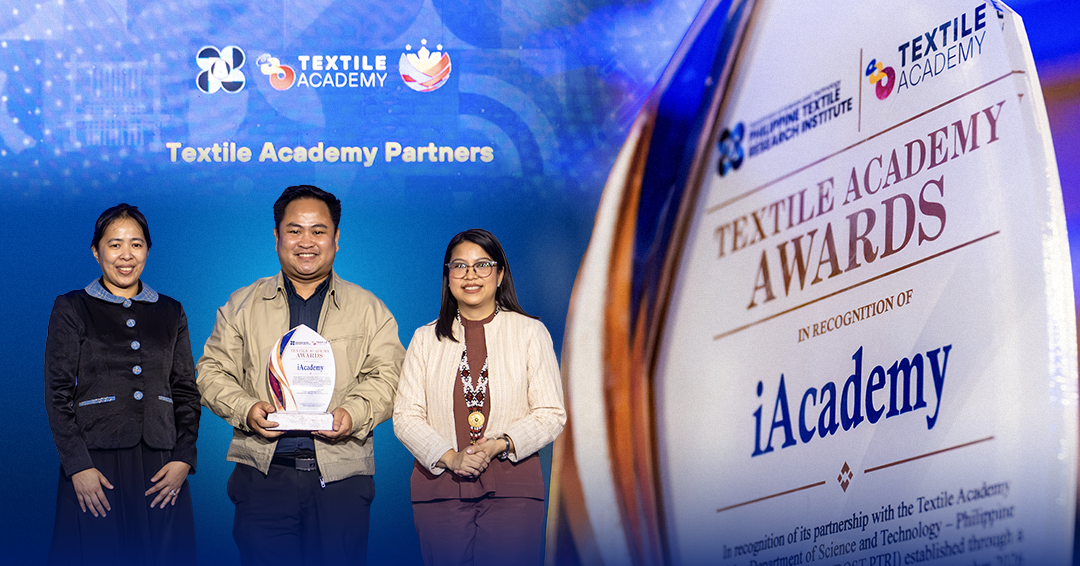
iACADEMY Earns Recognition at the 2026 TELAkademi Conference for Advancing Philippine Textile Innovation
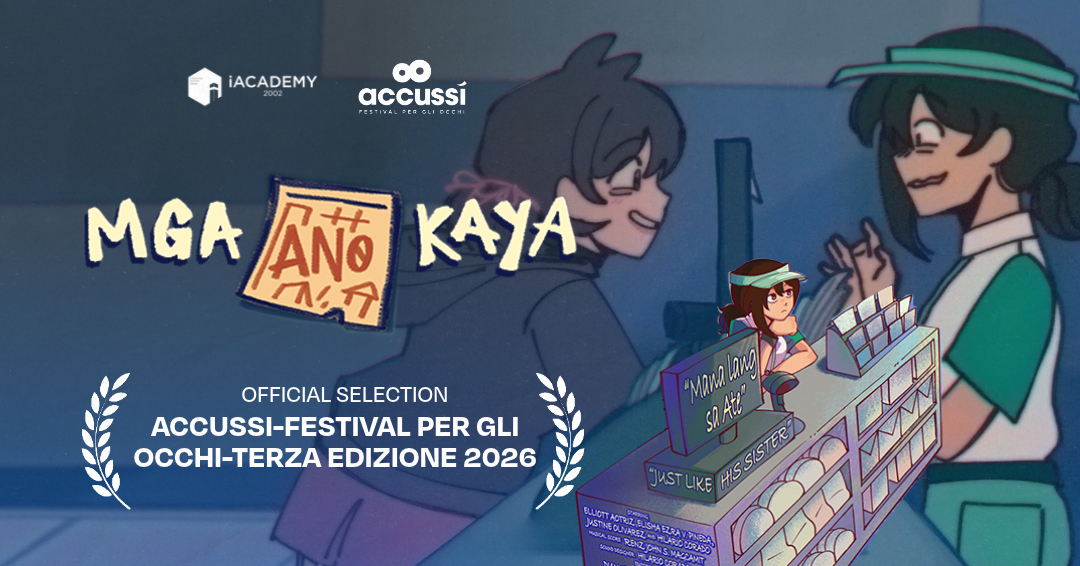
Animated Short Film, “Mga Ano Kaya” by iACADEMY Animation Students Officially Selected at the Accussì - Festival per gli Occhi - Terza Edizione
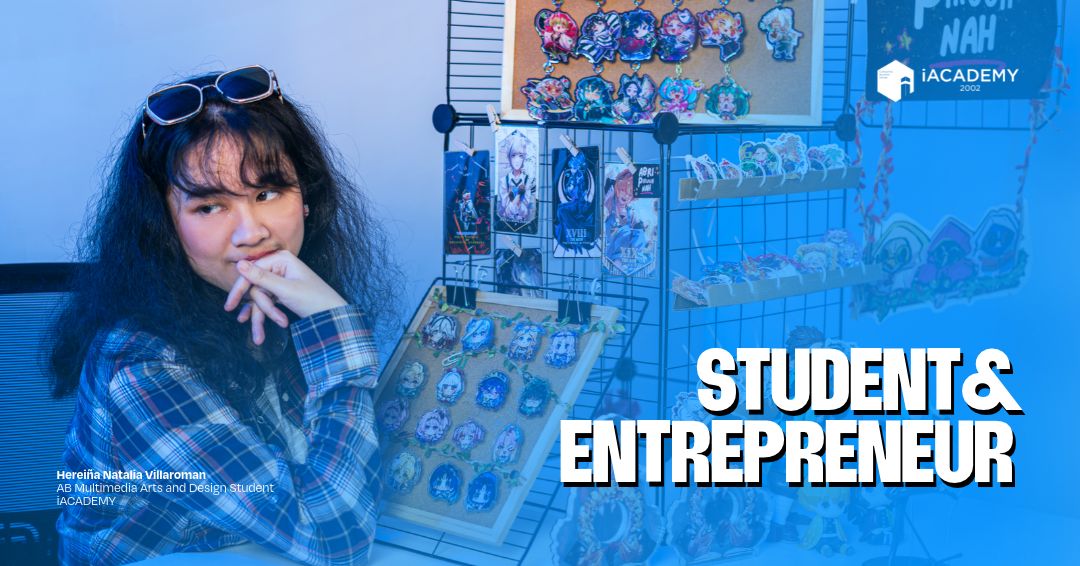
Managing Two Worlds: How an iACADEMY Student Balances Academics and Entrepreneurship
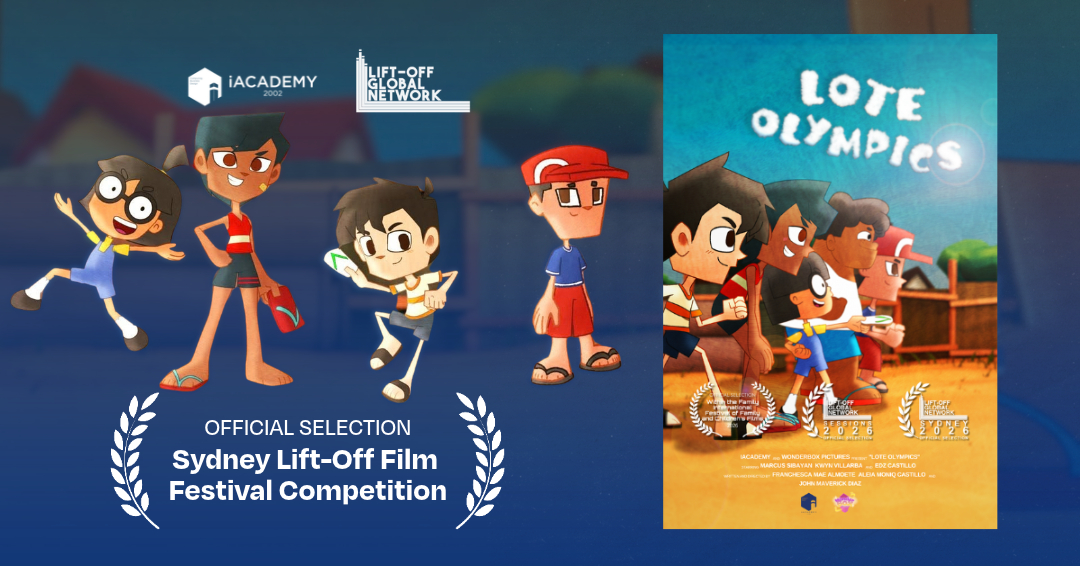
iACADEMY Animation Students Film, “LOTE Olympics”, has been Selected for the Sydney Lift-Off Film Festival Competition