
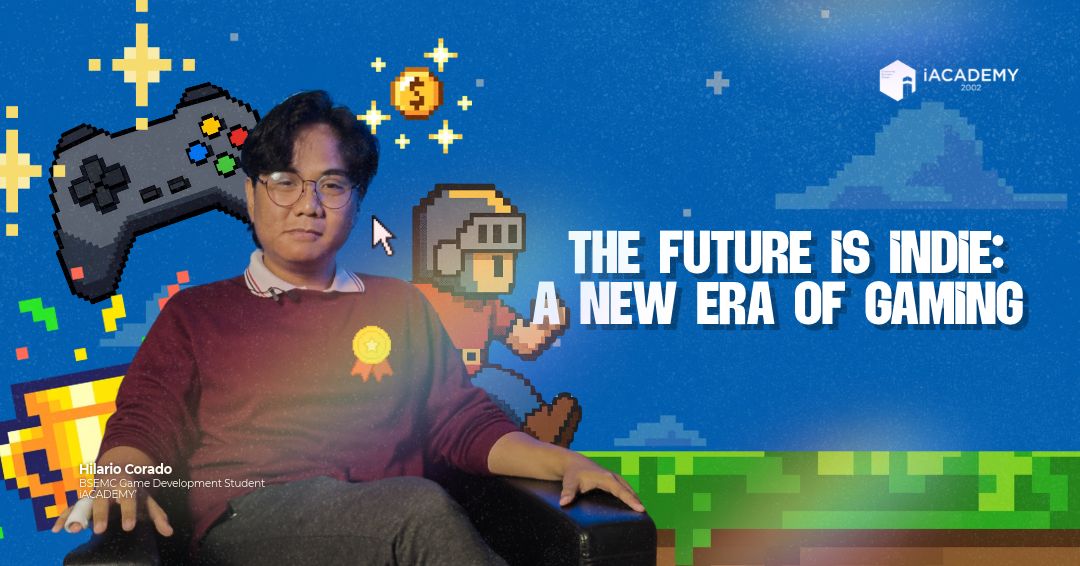
The gaming industry has long been dominated by major video game companies like Sony, Microsoft, and Tencent, whose Triple-A (AAA) games—high-budget, high-profile video game productions—continue to attract avid players across the globe. In the Philippines alone, titles such as League of Legends and Valorant are played daily, significantly shaping the local esports scene. In recent years, however, there has been a noticeable boom in indie games, many of which are becoming just as popular, if not more so, than those produced by major companies. What’s driving this rise in indie games? We asked Hilario “Larry” Corado, BSEMC Game Development student, to share his insights.
Indie games, short for independent games, are titles made by smaller game companies, usually with much smaller teams and budget compared to those of major companies. Many have noted that because these games are made by independent developers, they are often seen as breaking away from the conventions established by larger studios—relying much on experimentation, unconventional art styles, and unique gameplay mechanics. Larry, too, is of the opinion that indie games have been on the rise due to indie developers’ freedom: “I believe indie games have an advantage similar to Valve that has allowed them to freely pursue their creativity and vision: the lack of corporate bureaucracy influencing their decisions. As Gabe Newell says, ‘let game developers develop.’” Larry further explained that creative freedom afforded by indie developers allows them to create games that “offer new and refreshing experiences to players.”
According to Larry, another factor that sets indie games apart from big-budget titles is the active involvement of their player communities in the development process. By gathering feedback from prospective players, indie developers refine their games based on audience expectations while building a dedicated player base even before the official release.
That is not to say that indie games are beating Triple-A games—far from it. In fact, we can see both sides of the industry continuing to grow alongside each other. There is still much anticipation surrounding major releases such as Rockstar Games’ Grand Theft Auto 6. But alongside the continued popularity of franchises like Final Fantasy and Call of Duty is the hype surrounding indie titles like Hollow Knight: Silksong and Hades. Larry in particular is a fan of Silksong: “It is visually pleasing to my eyes and the gameplay is smooth and challenging enough that I do not get bored of it throughout the whole gameplay.”
The Filipino indie game scene is slowly gaining traction as well. Just recently, an indie game called Narinig Mo Ba? made waves on social media. Set in an unassuming sari-sari store, the game offers a psychological horror experience that draws from an otherwise familiar setting. Larry mentioned the game, Until Then, which features a storyline rooted in Filipino culture. With the continued growth of the gaming industry, it is interesting to see how local game developers will rise to the challenge and create titles that capture the attention of players.
This is where iACADEMY’s Game Development program becomes relevant. The program not only exposes its students to coding, but also to other aspects of game production such as voice acting and sound design. More importantly, it emphasizes the value of teamwork in bringing a game to life. According to Larry, game development requires close collaboration to bring together different elements such as code, art, and storyline. What he values at iACADEMY, then, is the people he meets along the way: “My education here in iACADEMY that’s very valuable for my goals would be the people I meet and work with in game development. Each person is a font of knowledge and passion that I am lucky to be exposed to, and in this environment I can confidently build myself up alongside with the same passionate people.”
More Stories
View All
The OPM Wave: From A Marketing Perspective
iACADEMY Animation Students Directing their own Animated Short Film as NCCA (National Commission for Culture and the Arts) Competitive Grantee
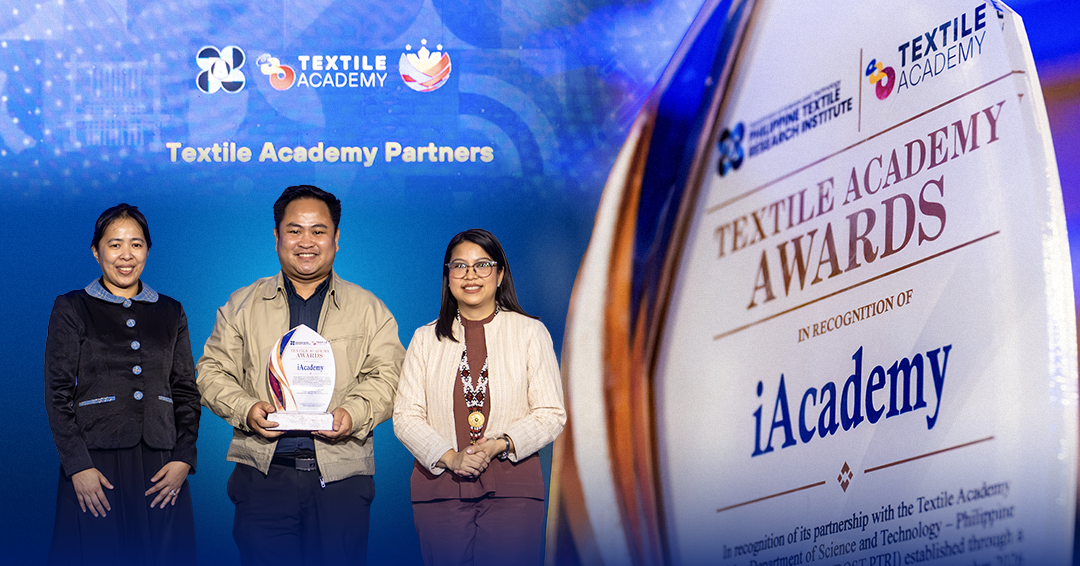
iACADEMY Earns Recognition at the 2026 TELAkademi Conference for Advancing Philippine Textile Innovation
Why Is Everything Suddenly Vertical and Short-Form?