Purple Gold: Why Ube Deserves a Place on the Global Stage
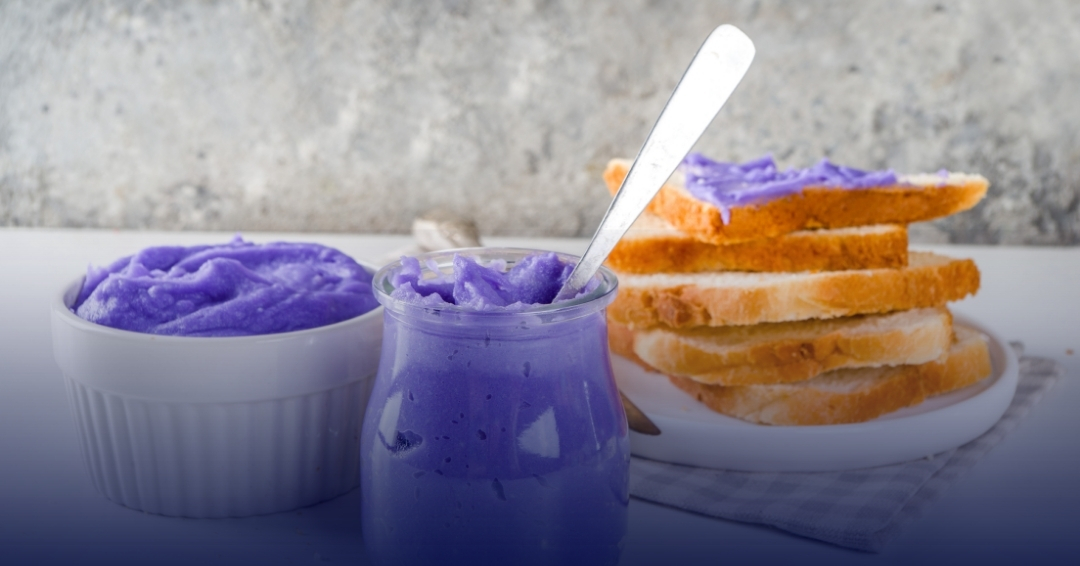
Every country has a flavor that instantly represents its culture. Japan is known for matcha, Italy for gelato, Belgium for chocolate, and Thailand for mango sticky rice. For the Philippines, one ingredient is steadily earning global recognition and proudly carrying the country's identity to the world stage: ube.
Ube, or purple yam, has long been a staple in Filipino cuisine. Scientifically known as Dioscorea alata, ube originates from the winged yam plant, a tuberous root vegetable. Known for its vibrant violet color and naturally sweet, nutty flavor, it has been enjoyed for generations through traditional delicacies such as halaya, ice cream, cakes, pastries, and native kakanin. What was once a familiar ingredient found in Filipino households has now become a sought-after flavor in international cafés, bakeries, and dessert shops.
In recent years, ube has gained popularity across different countries, particularly in North America, Europe, and parts of Asia, where chefs and food enthusiasts have embraced its distinct taste and striking appearance. Beyond its visual appeal, ube represents a deeper story, one rooted in Filipino heritage, creativity, and agricultural tradition.
As global audiences continue searching for authentic and culturally rich food experiences, ube stands as a symbol of the Philippines' growing influence in the culinary world. Much like how matcha reflects Japan's centuries-old tea culture, ube showcases the richness of Filipino flavors and the country's ability to transform simple ingredients into world-class delicacies.
More than just a food trend, ube is a reminder that local ingredients can become global ambassadors. With every scoop of ube ice cream, slice of ube cake, or spoonful of halaya enjoyed around the world, Filipino culture reaches new audiences and inspires greater appreciation for the country's culinary identity.
As the global food landscape continues to evolve, ube proves that the Philippines has a signature flavor worth celebrating, one that is uniquely Filipino, proudly purple, and increasingly recognized across the globe.